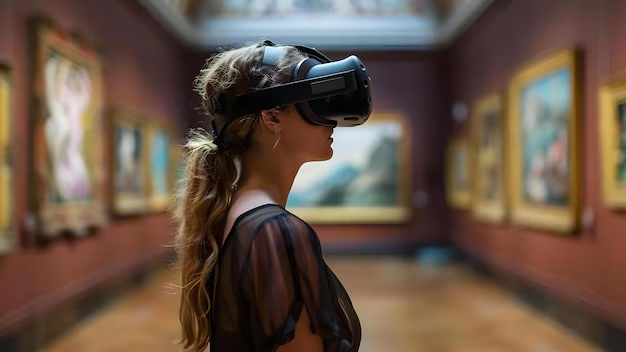

VR museum tour are emerging as one of the most effective ways for museums worldwide to connect younger audiences, expand their reach, and archive cultural experiences online as they accept digital transformation. It takes more than just submitting 360° photos to create a great virtual museum tour, regardless of how big or tiny your gallery is. With the correct strategy, you may create a digital museum that is adored by people all over the world.
The virtual experience specialists at iARIV have compiled a list of ten professional suggestions to assist you expand your virtual reality museum tour.
- Use a Professional VR Tour Creator
Start with the right tools. At iARIV, we provide an intuitive and high-quality VR tour creator designed for museums and educational spaces. It allows you to build immersive 360° environments with clickable exhibits, multimedia layers, and guided narration—all optimized for desktops, tablets, mobile, and VR headsets.
- Focus on Storytelling, Not Just Space
A museum isn’t just a building; it’s a collection of stories. Make your Virtual reality (VR) museum tour engaging by adding contextual information, behind-the-scenes details, or historical insights through audio or text popups.
- Highlight Unique Exhibits
Use your VR tour to feature rare or crowd-favorite exhibits that people love. Think: ancient artifacts, limited-time collections, or interactive science displays. Promote these highlights on your homepage and social channels.
- Integrate Multimedia for Deeper Engagement
Include videos, voiceovers, music, and even 3D models to bring your VR exhibits to life. iARIV’s VR tour creator makes it easy to embed multimedia into your tour for a richer experience.
- Make It Mobile-Friendly
Most users will explore your virtual museum from their phones or tablets. Ensure your tour loads quickly, navigates smoothly, and adjusts to all screen sizes.
- Add VR Headset Compatibility
For users with VR headsets like Meta Quest or Google Cardboard, enable full immersion. iARIV supports VR compatibility, allowing visitors to feel as if they’re physically walking through your museum.
- Optimize Your Tour for SEO
Use relevant keywords like VR museum tour, “virtual museum,” or “interactive museum exhibits” in your tour titles, meta tags, and descriptions. At iARIV, we help clients structure content to improve discoverability on Google.
- Promote Across Social Media
Share short previews, 360° snippets, and behind-the-scenes content on platforms like Instagram, Facebook, and YouTube. Add direct links to your VR tour in bios and posts.
- Collaborate with Schools and Educators
Offer your virtual tour as an educational field trip for schools. Teachers love curriculum-aligned content, and students enjoy engaging with history and art in a new format.
- Collect Feedback and Update Regularly
Ask visitors for feedback, monitor analytics, and keep the experience fresh. Update seasonal exhibitions, add new information, or highlight current events to stay relevant.
Ready to Launch or Grow Your VR Museum Tour?
With iARIV, creating a dynamic, engaging, and successful virtual museum experience is easier than ever. Let us help you reach new audiences and bring culture to life—virtually.
Visit (https://iariv.com) and explore how our VR tour creator can transform your museum into an unforgettable digital destination.