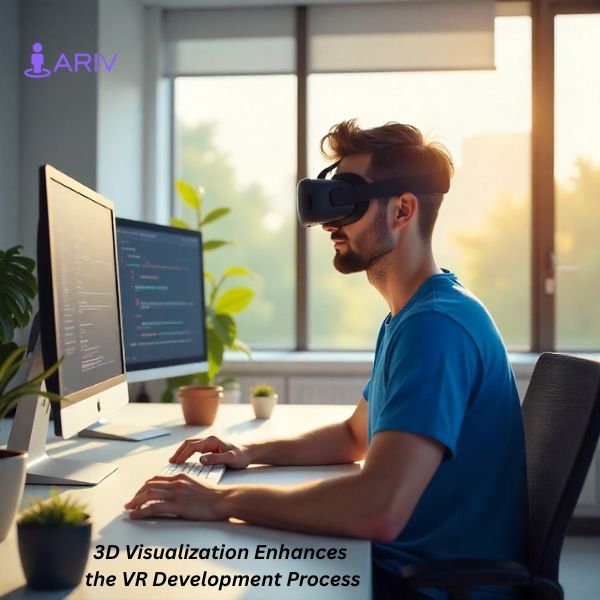

Virtual Reality (VR) has revolutionized the way we experience digital environments, transforming industries such as gaming, real estate, education, healthcare, and e-commerce. But what makes these virtual experiences so immersive and realistic? The answer lies in 3D visualization — the backbone of VR development.
By using high-quality 3D models, textures, and visual effects, VR developers can create lifelike environments that feel authentic and engaging. In this article, we’ll explore how 3D visualization enhances the VR development process and why it’s essential for building world-class virtual experiences.
What is 3D Visualization in VR?
The process of producing three-dimensional computer representations of imagined or real-world objects is known as 3D visualization. With the use of these models, developers may create virtual environments that mimic perspective, depth, and spatial relationships. 3D visualization, when used in VR applications, allows users to explore and interact with items in a natural way, just like they would if they were there.
The Role of 3D Visualization in VR Development
VR relies heavily on creating environments that mimic reality or transport users into entirely new worlds. Here’s how 3D visualization supports that goal:
1. Realistic Environments
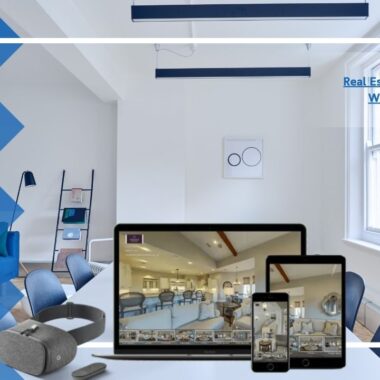
High-quality 3D models bring environments to life with accurate details, textures, and lighting. From architectural walkthroughs to virtual showrooms, these elements make users feel as though they’re truly inside the experience.
2. Immersive Interactions
Interactivity is key to VR. 3D visualization allows objects to respond realistically to user actions. For example, doors can open, objects can rotate, and products can be viewed from every angle. This level of engagement is impossible with 2D media.
3. Faster Prototyping
In VR development, 3D visualization accelerates the design process by allowing developers to create prototypes quickly. These prototypes can be tested and refined before full-scale development, saving time and reducing costs.
4. Enhanced Customization
Businesses can customize virtual environments based on specific needs, whether it’s an e-commerce store displaying products in 3D or an educational platform simulating real-life scenarios. 3D visualization makes such flexibility possible.
5. Seamless Integration with VR Hardware
Modern VR headsets and controllers require content that looks and feels natural. 3D visualization ensures that virtual objects align perfectly with spatial tracking, giving users smooth, realistic experiences.
Benefits of Using 3D Visualization in VR Development
- Higher Engagement Levels – Realistic environments keep users engaged for longer periods.
- Better Decision-Making – Industries like real estate and manufacturing use VR to showcase designs, helping clients make faster, more informed decisions.
- Cost Efficiency – Reduces the need for physical prototypes or site visits by providing virtual alternatives.
- Scalability – Once created, 3D models can be reused across multiple VR applications.
- Increased Accessibility – Enables remote collaboration by letting teams and clients explore virtual environments from anywhere in the world.
Applications Across Industries
- Real Estate – Virtual property tours with photorealistic details help buyers view homes remotely.
- Healthcare – Medical simulations for training and surgical planning rely on accurate 3D models.
- Education – Interactive classrooms and science labs created with 3D visualization make learning more engaging.
- Retail & E-commerce – Virtual stores allow customers to explore products in 3D before buying.
- Gaming & Entertainment – Immersive storylines and environments rely heavily on advanced visualization.
Future of 3D Visualization in VR
Even more advanced applications are anticipated in the future, including real-time 3D generation, AI-driven rendering, and augmented reality (AR) interaction. These developments will improve the accessibility, interactivity, and immersion of VR experiences. Companies that make VR investments now will have a competitive advantage thanks to the creation of incredibly engaging virtual worlds.
Why Work with Experts?
Building a high-quality VR experience requires expertise in 3D modeling, rendering, and optimization. Professional service providers like iAriv specialize in creating visually stunning and performance-optimized VR solutions tailored to your industry needs. Their expertise ensures that every detail — from texture quality to user interaction — meets the highest standards.
Final Thoughts
3D visualization is not just a part of VR development; it is the foundation that makes virtual environments believable and interactive. Without it, VR would lack the depth and realism users expect. As technology advances, 3D visualization will continue to shape how we experience virtual worlds, offering businesses endless opportunities to innovate and engage their audiences.